

Bolus tube feeding delivers liquid nutrition intermittently‚ typically using a syringe‚ when oral intake is insufficient; detailed instructions are often found in PDF guides.
What is Bolus Tube Feeding?
Bolus tube feeding is a method of delivering liquid nutrition‚ medications‚ and water through a feeding tube into the stomach or small intestine. Unlike continuous feeding‚ bolus feeding involves administering a specific volume of formula several times a day‚ mimicking a more natural mealtime pattern. Detailed bolus tube feeding instructions are frequently available as downloadable PDF guides from healthcare providers and medical websites.
These guides typically outline the process‚ including preparation‚ administration technique‚ and post-feeding care. It’s crucial to understand that bolus feeding requires careful monitoring to prevent complications like aspiration or tube blockage. Proper technique‚ as detailed in these PDF resources‚ is paramount for safe and effective nutritional support.
When is Bolus Feeding Used?
Bolus feeding is often utilized for patients with a functioning gastrointestinal tract who can tolerate intermittent feedings. It’s frequently suitable for individuals who have difficulty swallowing (dysphagia) but retain a gag reflex‚ or those needing supplemental nutrition alongside some oral intake. Comprehensive bolus tube feeding instructions‚ often found in PDF format‚ detail patient assessment criteria.
These PDF guides emphasize that bolus feeding isn’t appropriate for those with delayed gastric emptying‚ severe aspiration risk‚ or intestinal obstruction. Healthcare professionals determine suitability based on individual needs. Accessing and carefully reviewing these instructions ensures appropriate application and minimizes potential complications‚ promoting optimal patient outcomes.
Benefits of Bolus Feeding
Bolus tube feeding offers several advantages‚ including greater convenience and flexibility compared to continuous feeding. It allows for more normal eating patterns‚ potentially preserving some digestive function. Detailed bolus tube feeding instructions‚ readily available as PDF documents‚ highlight these benefits.
Patients may experience increased oral awareness and a reduced risk of tube-related complications like diarrhea. These PDF guides also emphasize the psychological benefits of intermittent feeding‚ promoting a sense of control. Proper implementation‚ guided by these instructions‚ can improve quality of life and facilitate a return to oral feeding when possible‚ optimizing patient well-being.
Preparing for Bolus Tube Feeding
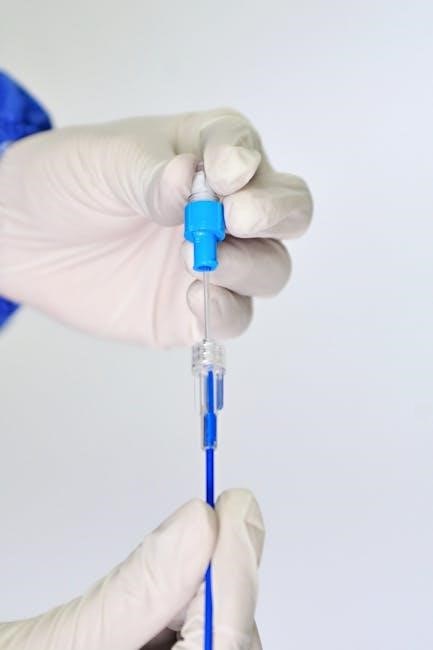
Preparation involves gathering supplies‚ verifying tube placement‚ and reviewing bolus tube feeding instructions – often available as a comprehensive PDF resource.
Gathering Supplies
Before initiating bolus feeding‚ meticulous preparation is crucial. Essential supplies include the prescribed formula‚ a large-bore syringe (typically 60mL)‚ and sterile water for flushing. A bolus tube feeding instructions PDF often details specific equipment needs based on individual patient requirements. Ensure you have gloves‚ appropriate measuring containers‚ and a clean workspace.
Additionally‚ have paper towels readily available for cleanup‚ and a stethoscope to confirm tube placement. Many PDF guides emphasize the importance of checking expiration dates on all supplies. Having all items organized beforehand streamlines the process and minimizes the risk of errors‚ contributing to safe and effective nutritional support. Refer to your facility’s protocol and the PDF guide.
Checking Tube Placement
Verifying correct tube placement is paramount before each bolus feeding to prevent aspiration. A bolus tube feeding instructions PDF will outline the recommended methods‚ typically including auscultation with air bolus and pH testing of aspirate. Injecting a small amount of air while listening with a stethoscope can confirm gastric placement‚ though this method has limitations.
More reliably‚ aspirating gastric contents and testing the pH – ideally below 5.5 – indicates proper positioning. Always document the method used and the results. Many PDF guides stress the importance of not proceeding with feeding if placement cannot be confirmed. Follow facility protocols and the PDF’s guidance meticulously.
Medication Administration Considerations
Administering medications via a feeding tube requires careful attention to compatibility and proper technique. A comprehensive bolus tube feeding instructions PDF will detail which medications can be crushed and given through the tube‚ and which should be avoided. Always check for drug interactions and potential tube occlusion.
Separate medications from the feeding by at least 30 minutes to prevent binding or altered absorption. Flush the tube with water before and after each medication to ensure complete delivery. The PDF should specify appropriate flush volumes. Document all medications administered‚ including dosage and timing‚ following facility policy.

Administering Bolus Feedings
Bolus feedings involve delivering pre-measured volumes of formula over a short period; a PDF guide provides detailed steps for safe and effective administration.
Calculating Feeding Volume
Determining the appropriate bolus feeding volume requires careful assessment of the patient’s individual nutritional needs‚ often guided by a registered dietitian. A PDF instruction manual typically emphasizes calculating caloric and protein requirements based on weight‚ activity level‚ and medical condition.
The total daily caloric needs are divided into several bolus feedings‚ usually four to six times per day. Formula concentration also impacts volume; thicker formulas require smaller volumes.
Accurate measurement is crucial‚ utilizing appropriate syringes or feeding bags. The PDF will likely include example calculations and emphasize the importance of verifying the prescribed rate and volume with a healthcare professional before initiating the feeding.
Proper Feeding Technique
Administering a bolus feeding‚ as detailed in a PDF guide‚ necessitates meticulous technique. Begin by verifying tube placement before each feeding – a crucial safety step. Slowly introduce the formula using a 60cc syringe‚ gently pushing the plunger over 5-10 minutes to minimize discomfort and aspiration risk.
Avoid forcing the formula; resistance indicates potential blockage or incorrect placement. The PDF will likely advise pausing between boluses to allow for gastric emptying.
Maintain a semi-Fowler’s position (head elevated 30-45 degrees) throughout and for 30-60 minutes post-feeding to further reduce aspiration risk. Proper hand hygiene is paramount throughout the process.
Monitoring During Feeding
Careful observation during bolus feeding‚ as outlined in a bolus tube feeding instructions PDF‚ is essential. Continuously assess the patient for signs of distress‚ including coughing‚ choking‚ or difficulty breathing – indicators of potential aspiration.
Regularly check for abdominal distension‚ nausea‚ or vomiting‚ which may suggest intolerance to the feeding.
Monitor the patient’s vital signs (heart rate‚ respiratory rate‚ blood pressure) for any adverse changes. A PDF guide will emphasize documenting the volume of formula administered‚ any residuals obtained‚ and the patient’s tolerance throughout the process. Promptly report any concerns to the healthcare provider.

Post-Feeding Procedures
Post-feeding care‚ detailed in a bolus tube feeding instructions PDF‚ includes flushing the tube‚ elevating the head of the bed‚ and meticulous documentation.
Flushing the Tube
Flushing the feeding tube after each bolus administration‚ as outlined in a comprehensive bolus tube feeding instructions PDF‚ is crucial to maintain patency and prevent clogging. Typically‚ 30-60 milliliters of water are used for flushing‚ administered slowly using a syringe. This process ensures that all residual formula is cleared from the tube’s lumen‚ reducing the risk of blockage and bacterial growth.
Consistent flushing‚ following the specific guidelines detailed in the PDF‚ is vital for optimal tube function and patient safety. Always refer to the PDF for specific volumes and flushing protocols recommended by healthcare professionals.
Elevating the Head of the Bed
A key component of safe bolus tube feeding‚ detailed within a bolus tube feeding instructions PDF‚ is elevating the head of the bed to at least 30-45 degrees during and for a minimum of 30-60 minutes after each feeding. This elevation significantly reduces the risk of aspiration‚ preventing formula from flowing back into the lungs.
The PDF will emphasize this preventative measure‚ alongside instructions for proper positioning. Maintaining this elevation throughout the specified timeframe is paramount for patient safety‚ as outlined in the comprehensive PDF guide provided by healthcare professionals.
Documenting the Feeding
Thorough documentation is crucial when administering bolus tube feedings‚ and a comprehensive bolus tube feeding instructions PDF will highlight this necessity. Records should include the date‚ time‚ volume of formula administered‚ patient tolerance – noting any nausea‚ vomiting‚ or discomfort – and any observed complications.
The PDF guide will likely provide a sample documentation form. Accurate records are vital for monitoring the patient’s nutritional status and adjusting the feeding plan as needed‚ ensuring optimal care and allowing healthcare teams to track progress effectively‚ as detailed in the PDF.

Troubleshooting Common Issues
A bolus tube feeding instructions PDF details solutions for blockages‚ nausea‚ or diarrhea‚ offering guidance for safe and effective problem resolution.
Tube Blockage
Tube blockages during bolus feeding are a common concern‚ and a comprehensive bolus tube feeding instructions PDF will outline specific troubleshooting steps. Typically‚ the guide recommends gently flushing the tube with 30-60ml of warm water using a 60cc syringe‚ applying gentle pressure. Avoid forceful flushing‚ which could damage the tube.
If water doesn’t resolve the blockage‚ the PDF may suggest using a commercial tube clearing solution‚ following the product’s instructions carefully. Never use medications or carbonated beverages to clear a blocked tube. If blockage persists despite these measures‚ contact healthcare provider immediately‚ as it could indicate a more serious issue requiring professional intervention or tube replacement.
Nausea and Vomiting
A detailed bolus tube feeding instructions PDF will address managing nausea and vomiting‚ common side effects. It often advises slowing the feeding rate or reducing the volume per bolus to minimize gastric distress. Ensuring proper head elevation (at least 30-45 degrees) during and after feeding is crucial‚ as outlined in the guide.
The PDF may also recommend antiemetic medications‚ prescribed by a physician‚ to alleviate symptoms. Monitoring residual volumes before each feeding is essential; high residuals suggest delayed gastric emptying. If vomiting occurs‚ the guide instructs to temporarily hold feedings and consult with the healthcare team to determine the appropriate course of action.
Diarrhea or Constipation
A comprehensive bolus tube feeding instructions PDF will detail managing gastrointestinal issues like diarrhea or constipation. For diarrhea‚ the guide often suggests slowing the feeding rate‚ checking for medication side effects‚ or adjusting the formula concentration. Adequate hydration is emphasized‚ and the PDF may recommend anti-diarrheal medications as prescribed by a doctor.
Conversely‚ for constipation‚ increasing fiber intake (if appropriate for the patient) and ensuring sufficient fluid intake are key recommendations. The PDF will likely advise monitoring stool consistency and frequency‚ and potentially suggest stool softeners or gentle laxatives under medical supervision. Prompt reporting of either condition is vital.

Tube Feeding Equipment & Maintenance
A bolus tube feeding instructions PDF outlines proper cleaning‚ storage‚ and inspection of tubes and syringes to prevent infection and ensure optimal function.
Types of Feeding Tubes
Feeding tubes utilized for bolus feeding vary based on placement and duration of use. Nasogastric (NG) tubes are inserted through the nose into the stomach‚ suitable for short-term feeding‚ and often detailed in a bolus tube feeding instructions PDF. Gastrostomy (G-tube) and Jejunostomy (J-tube) tubes require surgical placement directly into the stomach or small intestine‚ respectively‚ for longer-term needs.
The PDF guides frequently illustrate the different tube types‚ their corresponding ports for feeding and flushing‚ and specific considerations for bolus administration. Understanding the tube’s characteristics—like diameter and material—is crucial for safe and effective feeding. Proper selection‚ based on patient needs and a healthcare professional’s assessment‚ is paramount‚ and the instructions emphasize verifying the tube type before each use.
Cleaning and Storage of Equipment
Maintaining sterile technique is vital when administering bolus feedings. A comprehensive bolus tube feeding instructions PDF will detail thorough cleaning procedures for all equipment – syringes‚ tubing‚ and the feeding tube itself. Typically‚ this involves washing with warm‚ soapy water‚ followed by a sterile water flush;
Proper storage is equally important. Clean equipment should be stored in a clean‚ dry‚ and covered container. The instructions often emphasize avoiding cross-contamination and regularly inspecting equipment for damage or wear. Following the PDF’s guidance minimizes infection risk and ensures the feeding system functions correctly‚ safeguarding patient health and optimizing nutritional delivery.
Recognizing Signs of Tube Malfunction
A detailed bolus tube feeding instructions PDF will outline critical signs indicating potential tube malfunction. These include difficulty with flushing‚ increased resistance during feeding‚ or unexpected abdominal distension. Changes in gastric residual volume‚ leakage around the insertion site‚ or signs of discomfort for the patient are also red flags.
Promptly recognizing these issues is crucial. The instructions emphasize immediate reporting to healthcare professionals. Ignoring these signs could lead to complications like aspiration or inadequate nutritional intake. Regularly consulting the PDF and vigilant monitoring are essential for safe and effective bolus feeding‚ ensuring patient wellbeing and preventing adverse events.

Complications of Bolus Tube Feeding
Bolus tube feeding instructions PDF documents detail potential risks like aspiration‚ electrolyte imbalances‚ and infection; proactive monitoring and prevention are key.
Aspiration Risk
Aspiration‚ the entry of formula into the lungs‚ represents a significant complication of bolus tube feeding. Comprehensive bolus tube feeding instructions PDF guides emphasize meticulous techniques to minimize this risk. Proper head-of-bed elevation – typically at least 30-45 degrees – during and after feeding is crucial.
Slow injection of the formula‚ verifying correct tube placement before each bolus‚ and monitoring for signs of respiratory distress are also vital. Caregivers should be trained to recognize symptoms like coughing‚ choking‚ or changes in oxygen saturation. The American Association of Critical-Care Nurses Practice Alerts‚ often referenced in these PDFs‚ provide detailed aspiration prevention protocols.
Electrolyte Imbalances
Electrolyte imbalances can occur during bolus tube feeding‚ necessitating careful monitoring and adherence to prescribed formulas. Detailed bolus tube feeding instructions PDF documents often highlight the importance of regular lab tests to assess sodium‚ potassium‚ magnesium‚ and phosphate levels.
Rapid administration of feedings or using formulas not tailored to the patient’s needs can disrupt electrolyte balance. These PDFs frequently advise close collaboration with a registered dietitian to select appropriate formulas and adjust feeding rates. Recognizing early signs – such as muscle weakness‚ irregular heartbeat‚ or confusion – is crucial for prompt intervention and preventing serious complications.
Infection Prevention
Infection prevention is paramount when administering bolus tube feeding. Comprehensive bolus tube feeding instructions PDF guides emphasize strict hand hygiene before and after handling any feeding equipment. Proper cleaning and sterilization of tubes‚ syringes‚ and connectors are also detailed‚ minimizing bacterial contamination risks.
These PDFs routinely advise against reusing single-use items and highlight the importance of maintaining a closed system whenever possible. Regular assessment of the insertion site for signs of infection – redness‚ swelling‚ or discharge – is crucial. Following these guidelines significantly reduces the likelihood of potentially serious complications.

Patient Education
Patient education‚ often detailed in a bolus tube feeding instructions PDF‚ empowers individuals and caregivers to safely manage the feeding process at home.
Educating Patients and Caregivers
Comprehensive education is crucial for successful bolus tube feeding. A detailed bolus tube feeding instructions PDF should be provided‚ covering all aspects of the process. This includes proper hand hygiene‚ accurate medication administration techniques‚ and meticulous tube site care.
Caregivers must understand how to calculate feeding volumes‚ administer feedings correctly‚ and recognize potential complications like tube blockage or aspiration. The PDF should clearly outline troubleshooting steps for common issues. Emphasize the importance of elevating the head of the bed during and after feeding to minimize aspiration risk.
Patients and caregivers should be encouraged to ask questions and report any concerns promptly to the healthcare team. Reinforce the significance of consistent monitoring and documentation of each feeding session.
Signs of Complications to Report
A bolus tube feeding instructions PDF must clearly detail warning signs requiring immediate medical attention; These include persistent nausea‚ vomiting‚ or abdominal distension‚ indicating potential feeding intolerance or tube malfunction. Report any signs of aspiration‚ such as coughing‚ choking‚ or difficulty breathing‚ immediately.
Caregivers should also be vigilant for signs of infection at the tube insertion site – redness‚ swelling‚ pain‚ or discharge. Unexpected changes in bowel habits‚ like severe diarrhea or constipation‚ warrant reporting. Any unexplained fever or electrolyte imbalances should be communicated to the healthcare provider promptly.
The PDF should emphasize that prompt reporting is vital for preventing serious complications.
Importance of Hygiene
A comprehensive bolus tube feeding instructions PDF must strongly emphasize meticulous hygiene practices. Thorough handwashing with soap and water before and after every feeding or tube handling is paramount to prevent infection. The insertion site requires daily cleaning as directed by healthcare professionals‚ using sterile water or saline.
All feeding equipment – syringes‚ tubing‚ and containers – should be cleaned and stored according to the PDF’s guidelines‚ often involving sterilization or disinfection. Avoid touching the open end of the feeding tube to minimize bacterial contamination.
Maintaining a clean environment reduces the risk of infection and ensures patient safety.

Resources and Support
Bolus tube feeding instructions PDF resources‚ like those from the American Association of Critical-Care Nurses and Microsoft accessibility support‚ aid caregivers.
American Association of Critical-Care Nurses Guidelines
The American Association of Critical-Care Nurses (AACN) provides crucial Practice Alerts regarding tube feeding‚ including bolus methods. These guidelines emphasize safe insertion techniques and‚ critically‚ aspiration prevention strategies for patients receiving tube feeds. Accessing their resources‚ often available as downloadable PDF documents‚ is vital for healthcare professionals.
AACN’s alerts detail best practices for minimizing risks associated with bolus feeding‚ covering aspects like proper positioning and verification of tube placement. They frequently update these guidelines based on current evidence‚ ensuring clinicians have the most current information. Searching for “AACN tube feeding” or “bolus feeding instructions PDF” will lead you to these valuable resources‚ supporting optimal patient care and safety protocols.
Microsoft Support for Accessibility Features
Microsoft offers a range of accessibility features within its products‚ potentially aiding individuals needing to access or create bolus tube feeding instructions. Features like Narrator‚ screen readers‚ and magnification tools can assist those with visual impairments in reading PDF documents containing these instructions.
Furthermore‚ Microsoft’s dictation features can help caregivers or patients document feeding details or create personalized guides. Utilizing Microsoft 365’s collaborative tools allows for easy sharing of these PDF resources with healthcare teams. Exploring Microsoft Support’s website provides tutorials and guidance on leveraging these features to enhance accessibility and improve the management of tube feeding protocols.
Microsoft 365 Collaboration Tools for Care Teams
Microsoft 365 provides robust tools for care teams managing patients receiving bolus tube feeding. Shared access to PDF versions of instructions via OneDrive or SharePoint ensures everyone has the latest protocols. Teams facilitates secure communication and quick updates regarding feeding schedules‚ volumes‚ and any observed complications.
Word allows collaborative editing of care plans incorporating feeding details‚ while Excel can track intake and output data. Utilizing these features streamlines workflow‚ reduces errors‚ and enhances coordinated care. Real-time collaboration improves patient safety and ensures consistent application of bolus tube feeding guidelines.

Bolus Feeding vs. Continuous Feeding
Bolus feeding‚ unlike continuous methods‚ delivers nutrition in intervals; PDF instructions detail specific administration techniques and are crucial for proper implementation.
Comparing Bolus and Continuous Methods
Bolus feeding and continuous feeding represent distinct approaches to tube nutrition‚ each with unique characteristics. Bolus feeding involves delivering a pre-determined volume of formula several times a day‚ mimicking meal times‚ and often relies heavily on detailed PDF instructions for safe execution. Conversely‚ continuous feeding provides a steady stream of formula over 12-24 hours.
The choice between these methods depends on individual patient needs‚ gastrointestinal function‚ and tolerance. Bolus feeding may be suitable for patients with a functioning gastrocolic reflex and the ability to tolerate intermittent large volumes. Comprehensive instructions‚ frequently available as PDF guides‚ emphasize proper timing and administration techniques. Continuous feeding is often preferred for those with delayed gastric emptying or at higher risk of aspiration.
Choosing the Right Feeding Method
Selecting between bolus and continuous tube feeding requires careful consideration of the patient’s clinical status and gastrointestinal capabilities. Bolus feeding‚ detailed in readily available PDF instructions‚ is often appropriate for individuals with a functional digestive system and the ability to handle intermittent‚ larger volumes of nutrition.
Factors influencing this decision include gastric emptying rate‚ risk of aspiration‚ and patient preference. Thorough instructions‚ often provided as a PDF‚ are crucial for safe bolus administration. Continuous feeding may be favored for patients with impaired gastric motility or those requiring consistent nutrient delivery. A healthcare professional should guide this choice‚ ensuring the selected method optimizes nutritional support and minimizes complications.
Switching Between Methods
Transitioning between bolus and continuous tube feeding necessitates a gradual approach and close monitoring‚ guided by detailed instructions often available as a PDF resource. A sudden shift can lead to gastrointestinal distress‚ such as diarrhea or cramping. When moving to bolus feeding‚ start with small volumes and observe tolerance.
Conversely‚ switching from bolus to continuous feeding requires slowly decreasing bolus amounts while simultaneously initiating a continuous infusion. Comprehensive instructions‚ ideally in PDF format‚ should outline this process. Regular assessment of gastric residual volumes and patient comfort is vital throughout the transition‚ ensuring optimal nutritional delivery and minimizing adverse effects.