

Snapback Size Guide: Finding Your Perfect Fit (Updated 04/28/2026)
Discovering the ideal snapback fit involves precise head circumference measurement and referencing reliable size charts, ensuring both comfort and style for every wearer.
Understanding Snapback Hats
Snapback hats, characterized by their adjustable plastic snap closure, offer a versatile fit for a wide range of head sizes. Unlike fitted hats, snapbacks aren’t pre-sized, allowing for customization and accommodating fluctuations in head circumference. This adjustability is a key feature, making them popular across different age groups and styles.
Historically, snapbacks evolved from baseball caps, gaining prominence in the 1980s and 90s hip-hop culture. Today, they remain a fashion staple, available in countless designs, materials, and colors. Understanding the construction – the crown, brim, and snap closure – is crucial for achieving the perfect fit. The depth of the crown and the brim’s curvature also influence the overall look and feel.
Proper sizing isn’t merely about comfort; it impacts the hat’s appearance. A correctly sized snapback sits securely without being too tight, maintaining its shape and style. Ignoring accurate measurements can lead to discomfort, a poor aesthetic, and potential damage to the hat’s structure.
Why Accurate Sizing Matters
Precise sizing is paramount when selecting a snapback hat, directly impacting comfort and aesthetic appeal. An ill-fitting hat can cause headaches, discomfort during wear, and even leave unsightly indentations. Beyond personal comfort, a properly sized snapback maintains its intended shape and style, enhancing your overall look.
Incorrect sizing can also affect the hat’s longevity. Excessive tightness can strain the adjustable snap, leading to breakage or reduced functionality. Conversely, a loose fit increases the risk of the hat slipping off or becoming misshapen. Accurate measurement ensures the hat conforms to your head without compromising its structural integrity.
Furthermore, many online retailers offer limited return options for hats, making initial sizing crucial. Taking the time to measure accurately minimizes the chances of needing an exchange or being stuck with an unsuitable purchase. Investing in a well-fitting snapback is an investment in both comfort and style.
Tools You’ll Need for Measurement
For accurate snapback sizing, you’ll require minimal tools, readily available in most households. The most essential item is a flexible measuring tape – fabric or plastic works well, but avoid metal tapes as they lack the necessary flexibility to conform to your head’s shape. Alternatively, a length of non-stretchable string can be used, paired with a ruler or standard measuring tape for determining the circumference.
A mirror is also highly recommended, allowing you to visually confirm the measuring tape’s correct positioning around your head; While not strictly necessary, having a friend assist can improve accuracy, particularly when measuring the back of your head. Ensure the tape is level and snug, but not overly tight.
Finally, access to a reliable snapback hat size chart – either printed or digital – is crucial for translating your head circumference measurement into the appropriate hat size. These charts are widely available online from hat retailers and manufacturers, providing a quick and easy reference point.

Measuring Your Head Circumference

Precisely determining your head’s circumference is fundamental for selecting the correct snapback size, guaranteeing a comfortable and stylish fit every time you wear it.
Step-by-Step Head Measurement Guide

Begin by standing in front of a mirror, ensuring your head is upright and facing forward. Take a flexible measuring tape – cloth or soft plastic works best – and position it around your head. Start at your forehead, approximately one inch above your eyebrows, for the most accurate reading.
Wrap the tape measure around the fullest part of your head, keeping it level. This is typically about halfway between the front of your forehead and the back of your skull. Avoid pulling the tape too tightly, as this will result in a smaller measurement. Conversely, don’t let it be too loose, or the size will be inaccurate.
Ensure the tape measure is snug but comfortable. Read the measurement where the end of the tape meets the starting point. Record this number in inches or centimeters, depending on the size chart you intend to use. It’s always a good idea to measure twice to confirm your result and ensure accuracy. A second opinion from a friend can also be helpful!
Where to Position the Measuring Tape
Precise tape placement is crucial for an accurate snapback fit. Begin by positioning the measuring tape approximately one inch above your eyebrows, across your forehead. This ensures the measurement isn’t affected by your hairline or any fringe.
Continue wrapping the tape around the head, maintaining a level position. The tape should encircle the head at the widest point – typically about midway between the front of the forehead and the back of the skull. Avoid angling the tape upwards or downwards, as this will distort the measurement.
Focus on keeping the tape snug, but not overly tight. It should comfortably follow the natural curve of your head. Ensure the tape passes over the ears, not through them. Consistent levelness is key; imagine a line circling your head as you measure. Double-check the tape’s position in a mirror to confirm accuracy before recording the circumference.
Dealing with Hair: Accounting for Volume
For individuals with significant hair volume, accurate snapback sizing requires adjusting the measurement. If you have thick hair, or plan to wear the hat with your hair styled in a way that adds height, add approximately ½ inch (1.27 cm) to your initial head circumference measurement.
This additional allowance ensures the hat won’t feel overly snug or compress your hairstyle. Conversely, if you typically wear your hair flat or tied back, measure your head as is, without adding extra length. Consider the typical hairstyle you’ll wear with the snapback.
Remember, consistency is key. Always measure with your hair in a similar style each time to ensure accurate comparisons against size charts. Ignoring hair volume can lead to an ill-fitting hat, compromising both comfort and appearance. Prioritize a comfortable, yet secure, fit.

Snapback Hat Size Charts
Explore comprehensive charts correlating head circumference in inches and centimeters to standard US hat sizes, facilitating a precise and personalized snapback selection process.
US Hat Size to Head Circumference (Inches)
Accurately determining your US hat size begins with a precise head circumference measurement in inches. This chart provides a direct correlation, ensuring a comfortable and stylish fit for your snapback. A size 6 7/8 typically corresponds to 21 5/8 inches, while a size 7 fits a 22-inch head. Moving up, a 7 1/8 requires 22 3/8 inches, and 7 1/4 equates to 22 3/4 inches.
For those with larger heads, a 7 3/8 fits 23 1/8 inches, a 7 1/2 accommodates 23 1/2 inches, and a 7 5/8 is designed for 23 7/8 inches. The largest commonly available size, 8, corresponds to a 25-inch head circumference. Remember, these are guidelines; manufacturer variations can occur. Always consult the specific brand’s size chart when available. Utilizing this chart simplifies the process of finding the perfect snapback, guaranteeing a secure yet comfortable wear for any occasion. Proper sizing enhances both appearance and enjoyment.
US Hat Size to Head Circumference (Centimeters)
For those preferring metric measurements, this chart translates US hat sizes into centimeters, facilitating a precise snapback fit. A size 6 7/8 corresponds to 55 centimeters, while a size 7 fits a head circumference of 55.8 cm. Progressing upwards, a 7 1/8 requires 56.8 cm, and a 7 1/4 equates to 57.7 cm.
Individuals needing larger sizes will find that a 7 3/8 fits 58.7 cm, a 7 1/2 accommodates 59.6 cm, and a 7 5/8 is designed for 60.6 cm. It’s crucial to remember that these are standard conversions, and slight variations may exist between manufacturers. Always prioritize checking the specific brand’s sizing guide for the most accurate results. Utilizing this centimeter-based chart ensures a comfortable and secure fit, enhancing both the style and overall wearing experience of your snapback hat. Accurate measurement is key to satisfaction.
Converting Between Sizes (US, UK, French)
Navigating international hat sizing can be tricky, but understanding the conversions between US, UK, and French systems is essential for a perfect snapback fit. While snapbacks primarily utilize US sizing, knowing the equivalents ensures accurate purchases when browsing global retailers. Unfortunately, direct, standardized conversions are limited, as sizing can vary between brands.
Generally, US sizes serve as the baseline. However, when encountering UK or French hat sizes, referencing a comprehensive conversion chart is vital. It’s best to focus on head circumference measurements (in centimeters or inches) as the most reliable indicator, regardless of the labeled size. Remember that these are approximations, and individual head shapes can influence the ideal fit. Prioritize measuring your head and comparing it to the manufacturer’s specific size chart for the most accurate results, avoiding potential sizing errors.

Adjusting Your Snapback for the Perfect Fit
Fine-tune your snapback using the closure for a secure, comfortable fit; consider hat depth and whether you prefer a snug or looser feel.
Using the Snapback Closure
The snapback closure is the key to achieving a personalized fit. Most snapbacks feature a plastic strap with interlocking snaps at the back. Begin by loosening the strap to its maximum extent, ensuring it doesn’t feel overly tight. Carefully position the hat on your head, ensuring the front sits comfortably on your forehead.
Gradually tighten the strap by connecting the snaps, one at a time. After each adjustment, check the fit. The hat should feel secure without causing pressure or discomfort. Aim for a snug, but not constricting, feel. Remember that a properly fitted snapback shouldn’t move around excessively with head movements.
Pay attention to how the hat feels around your temples and the back of your head. Uneven pressure can indicate an improper fit. Continue adjusting the snaps until you find the sweet spot where the hat feels balanced and comfortable. Some snapbacks allow for a significant range of adjustment, accommodating various head sizes.
Understanding Hat Depth and Fit
Hat depth, measured from the crown to the brim, significantly impacts comfort and style. A shallower crown sits higher on the head, offering a more modern, trendy look, while a deeper crown provides a classic, secure fit. Consider your personal preference and hairstyle when choosing a depth.
Fit relates to how the hat conforms to your head shape. A well-fitting snapback shouldn’t feel too tight, causing pressure points, or too loose, risking it falling off. The sides should comfortably encompass your temples without pinching. The back should sit securely without excessive gapping.
Depth and size work together. A larger size with a shallow depth might feel unstable, while a smaller size with a deep depth could be uncomfortable. Experimenting with different combinations is key. Remember that some manufacturers offer varying depths within the same size range, so checking specific product details is crucial for optimal fit.

Finding the Right Fit: Snug vs. Loose
The debate between a snug and loose snapback fit largely depends on personal preference and intended use. A snug fit, while not overly tight, offers greater security, especially during physical activity, preventing the hat from shifting or falling off. It provides a more streamlined, polished appearance.
Conversely, a looser fit prioritizes comfort and a more relaxed aesthetic. This style allows for better ventilation and is ideal for casual wear. However, a significantly loose fit can compromise stability, particularly in windy conditions. It may also appear less refined.
Consider the snapback’s closure. A properly adjusted snap allows for fine-tuning between snug and loose. Aim for a fit that feels secure yet comfortable, avoiding pressure points. A slight amount of give is desirable, allowing for head movement without constriction. Ultimately, the “right” fit is the one that feels best for you.

Specific Considerations
Remember that sizing can vary between manufacturers and age groups; always check specific charts and account for hair volume for optimal fit.
Sizing for Different Age Groups (Kids vs. Adults)
Determining the correct snapback size differs significantly between children and adults due to variations in head size and shape. Adult snapbacks generally cater to head circumferences ranging from approximately 21 inches to 23 ¾ inches (53.3 cm to 60.3 cm), utilizing standard US hat sizes from 6 7/8 to 7 5/8.
Children’s sizing, however, is considerably smaller and often less standardized. Infant and toddler sizes typically fall below 21 inches, requiring careful measurement. It’s crucial to avoid assuming a child’s size based on age alone; direct head circumference measurement is essential. Many brands offer specific kids’ snapbacks with adjustable closures to accommodate growth.
When purchasing for children, prioritize a comfortable, secure fit that doesn’t feel too tight or restrictive. Unlike adults who might prefer a slightly looser fit for style, a snugger fit is generally safer and more practical for active kids. Always consult the manufacturer’s size chart, as variations exist, and prioritize safety and comfort above all else.
Manufacturer Variations in Sizing
It’s essential to recognize that snapback hat sizing isn’t universally standardized across all brands. Subtle, yet significant, differences in cut, depth, and panel construction can impact how a hat fits, even if the stated size appears consistent. Some manufacturers run “small,” meaning their size 7 might fit more like a standard 6 7/8, while others run “large.”
Therefore, relying solely on a generic size chart can be misleading; Always prioritize checking the specific size chart provided by the hat’s manufacturer. These charts often include detailed head circumference measurements corresponding to their particular sizing system. Comparing your head measurement to the manufacturer’s chart is the most reliable approach.

Furthermore, consider reading customer reviews for insights into a brand’s sizing tendencies. Experienced snapback wearers often share valuable feedback regarding fit accuracy. When in doubt, opting for a hat with a generous adjustable range allows for fine-tuning and a more customized fit, mitigating the risk of purchasing an ill-fitting cap.
What to Do If Your Size Falls Between Charts
Encountering a head circumference that doesn’t neatly align with standard size charts is common. When this happens, it’s best to err on the side of caution and choose the larger size. Snapbacks are designed with adjustable closures, allowing you to tighten a slightly oversized hat for a secure and comfortable fit.
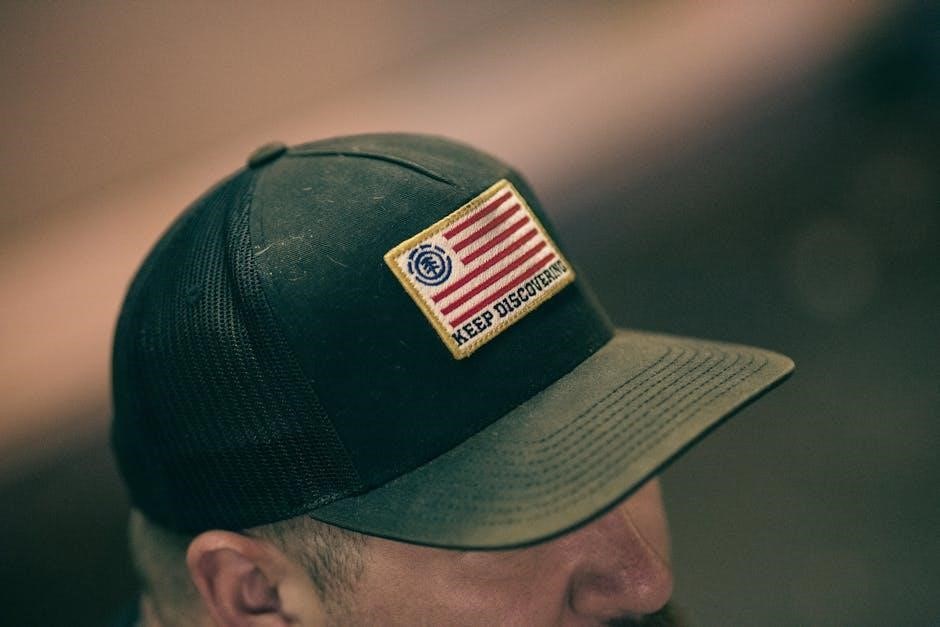
However, consider the hat’s depth. If you have a particularly shallow or deep head, prioritize depth over circumference. A hat that’s too shallow will sit high on your head, while one that’s too deep can feel constricting. Look for brands offering varied depth options.
Alternatively, if possible, try on similar styles from the same manufacturer to gauge their sizing accuracy. If purchasing online, check the return policy to ensure you can exchange the hat if it doesn’t fit. A slightly looser fit is generally preferable to one that’s uncomfortably tight, allowing for adjustments and breathability.