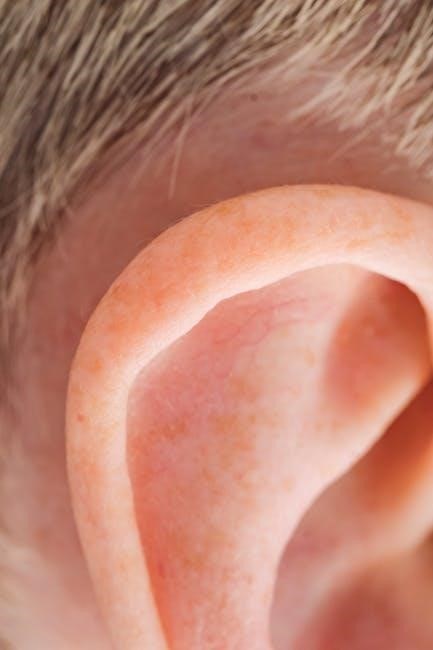
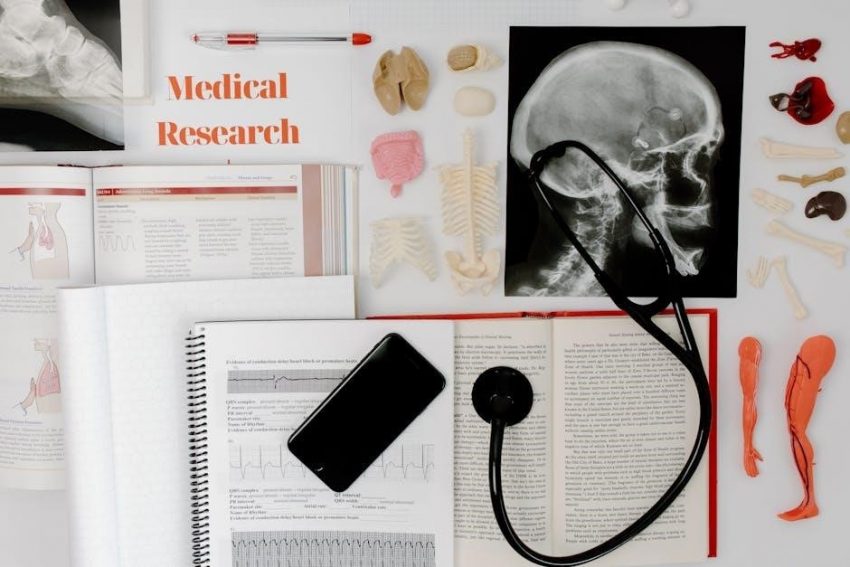
Human Anatomy and Physiology, an OpenStax College resource, offers a comprehensive exploration of the human body.
This textbook, authored by Rohit Bansal, provides system-by-system descriptions, ideal for both individualized and paced online study via Brightspace.
What is Human Anatomy?
Human Anatomy is the scientific discipline investigating the structure of the human body. This exploration encompasses the identification and description of the body’s constituent parts, ranging from macroscopic structures – those readily visible to the naked eye – to microscopic ones requiring magnification.
Understanding anatomy involves discerning how these parts are organized, their spatial relationships to one another, and their inherent physical characteristics.
As outlined in the resource, a foundational knowledge of anatomical locations and structures is crucial for comprehending physiological functions.
The study of anatomy provides the essential framework for understanding how the body is built and how its components interact, forming the basis for medical and health-related fields.
What is Human Physiology?
Human Physiology delves into the functions of the human body, exploring the intricate mechanisms that enable life. It examines how organs and systems work, both individually and in concert, to maintain internal stability – a concept known as homeostasis.
Physiology investigates the chemical and physical principles governing bodily functions, from cellular processes to complex interactions within organ systems.
Understanding physiology requires knowledge of anatomical structures, as function is inextricably linked to form.
As the resource highlights, describing the physiological functions of the main body systems is a core objective, providing a comprehensive understanding of how the body operates.
Importance of Studying Anatomy and Physiology
Studying Human Anatomy and Physiology is crucial for anyone pursuing a healthcare career, providing a foundational understanding of the human body’s structure and function.
This knowledge is essential for diagnosing illnesses, developing effective treatments, and appreciating the complexities of life itself.
Furthermore, understanding these principles promotes informed health decisions and a greater appreciation for the body’s remarkable capabilities.
The resource emphasizes naming major body systems and relating their functions, a key skill for any aspiring medical professional. It’s a culmination of extensive research, authored by Rohit Bansal.
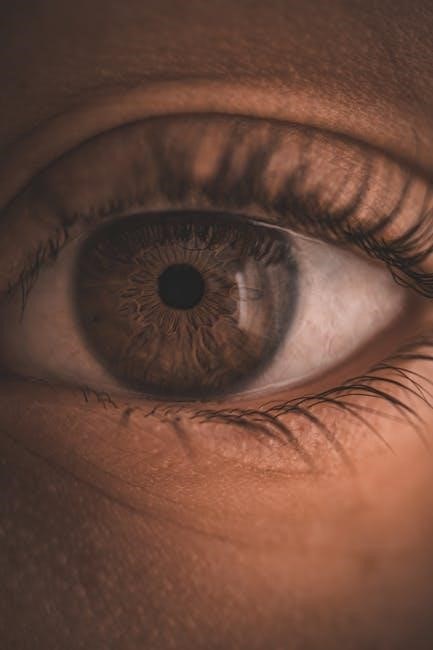
Levels of Structural Organization
Human Anatomy and Physiology explores organization from chemical to organismal levels, detailed in the OpenStax PDF textbook, aiding comprehension of bodily structures.
Chemical Level
This level encompasses atoms, the smallest units of matter, combining to form molecules like water, proteins, and DNA – essential for life’s processes.
Understanding chemical bonds, reactions, and the properties of these molecules is crucial, as they dictate the structure and function of all higher organizational levels.
The textbook emphasizes how biochemical processes at this level directly influence cellular activities, tissue characteristics, and ultimately, the operation of entire organ systems.
It provides a solid base for grasping the intricate interplay of chemical components that sustain the human body, making it an indispensable starting point for study.
This foundational knowledge, accessible through the PDF, is key to appreciating the complexity of life;

Cellular Level
Cells are comprised of organelles, each performing specific tasks to maintain cellular life, such as energy production, protein synthesis, and waste removal.
The textbook details cellular structures, transport mechanisms across cell membranes, and the vital processes of cell division and differentiation.
Understanding how cells communicate and interact is paramount, as these interactions underpin tissue formation and organ function.
The PDF resource emphasizes that variations in cellular structure correlate directly with specialized functions within different body tissues.
This level is essential for comprehending how the body functions as a cohesive whole, and the textbook provides a clear pathway to this understanding.
Tissue Level
There are four primary tissue types: epithelial, connective, muscle, and nervous tissue, each with unique structures and roles.
The textbook meticulously describes the characteristics of each tissue type, including their cellular composition, extracellular matrix, and specialized functions.
Epithelial tissues cover surfaces, connective tissues support and connect, muscle tissues enable movement, and nervous tissues transmit signals.
Understanding tissue organization is crucial, as it dictates organ structure and function.
The PDF resource highlights how tissue arrangement impacts physiological processes, and how disruptions at this level can lead to disease.
This level provides a critical bridge between cellular function and the complexity of organ systems.
Organ Level
Each organ, like the heart or stomach, possesses a distinct structure enabling specific physiological tasks.
The textbook emphasizes that organ structure directly correlates with its function, detailing how tissue arrangements contribute to overall performance.
For example, the stomach’s layered tissues – epithelial, connective, muscle, and nervous – facilitate digestion.
Understanding organ anatomy and physiology is vital for comprehending systemic function.
The PDF resource illustrates how organs interact and contribute to maintaining homeostasis.
This level demonstrates the increasing complexity of the human body, building upon cellular and tissue organization.
System Level
For instance, the cardiovascular system – heart, blood vessels, and blood – circulates nutrients and oxygen throughout the body.
The textbook details how each system contributes to overall human survival and emphasizes interconnectedness.
Understanding system interactions is crucial; the digestive and cardiovascular systems work together to deliver nutrients.
The PDF resource highlights how disruptions in one system can cascade, affecting others.
Name major body systems and relate their functions, as the textbook guides you to do.
This level showcases the body’s remarkable integration, moving beyond individual organ function towards holistic operation.
Organismal Level
The organismal level, the highest level of structural organization, represents the sum total of all structural levels working together to keep us alive, as detailed in the OpenStax Anatomy and Physiology 2e textbook.
Factors like nutrition, hydration, and temperature regulation are explored in relation to maintaining life.
The textbook illustrates how disruptions at lower levels (chemical, cellular) ultimately manifest at the organismal level as disease or dysfunction.
Understanding this level requires appreciating the interplay between all systems.
It’s about how the body responds to external stimuli and maintains homeostasis.
The resource stresses that a complete understanding of human biology necessitates considering the organism as a unified entity.

Body Systems Overview
Integumentary System
This system, detailed by Rohit Bansal and collaborators, includes the skin, hair, and nails, functioning as a crucial protective barrier against external factors.
The textbook explains how the integumentary system regulates body temperature, synthesizes vitamin D, and provides sensory information.
Students utilizing this OpenStax College resource will learn about the skin’s layers – epidermis, dermis, and hypodermis – and the specialized structures within each layer.
Understanding the integumentary system’s anatomy and physiology is foundational, and this textbook provides a clear, accessible pathway to mastering these essentials.
Brightspace delivery supports individualized or paced learning of this vital system.
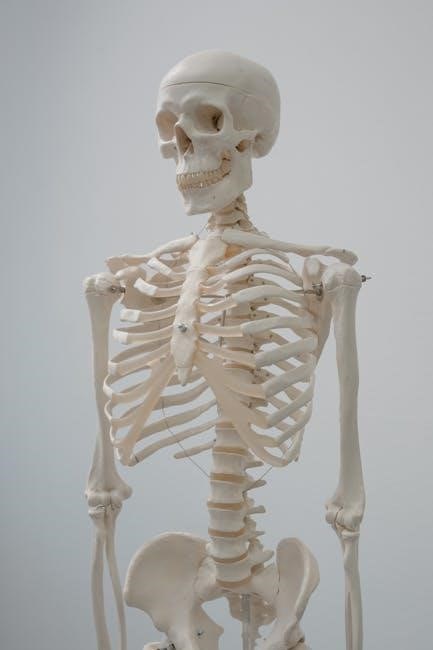
Skeletal System
Authored by Rohit Bansal, this resource details the composition of bones, cartilage, and joints, explaining their crucial roles in support, movement, and protection.
Students utilizing this OpenStax College material will learn about different bone types – long, short, flat, irregular, and sesamoid – and their specific functions.
The textbook clarifies bone development, growth, and remodeling processes, alongside detailed descriptions of the axial and appendicular skeletons.
Understanding the skeletal system’s anatomy and physiology is fundamental, and this resource delivers these essentials in a clear, accessible manner.
Brightspace facilitates both individualized and paced study of this critical system.
Muscular System
Rohit Bansal’s authorship ensures a detailed exploration of skeletal, smooth, and cardiac muscle tissues, outlining their unique structures and functions.
Students accessing this OpenStax College resource will delve into muscle fiber types, contraction mechanisms, and the roles of various muscle groups.
The textbook explains how muscles interact with the skeletal system to generate movement, emphasizing the importance of neuromuscular junctions and motor units.
Understanding muscle physiology is crucial, and this resource delivers these essentials with clarity, supporting both individualized and paced learning via Brightspace.
Detailed anatomical locations and physiological functions are clearly described.
Nervous System
Authored by Rohit Bansal, this OpenStax College resource explores the brain, spinal cord, and nerves, outlining their intricate structures and functions.
Students will learn about neurons, synapses, and the transmission of nerve impulses, crucial for understanding how the body responds to stimuli.
The textbook explains the divisions of the nervous system – central and peripheral – and their roles in sensory perception, motor control, and higher cognitive functions.
Understanding nervous system physiology is paramount, and this resource delivers these essentials with clarity, supporting both individualized and paced learning via Brightspace.
Detailed anatomical locations and physiological functions are clearly described within the resource.
Endocrine System
This OpenStax College resource, authored by Rohit Bansal, details the glands – pituitary, thyroid, adrenal, and others – and the hormones they secrete.
Students will explore hormone mechanisms of action, receptor types, and the impact of hormonal imbalances on bodily functions.
The textbook elucidates how the endocrine system interacts with the nervous system to maintain homeostasis, covering topics like metabolism, growth, and reproduction.
Understanding these essentials is crucial, and this resource provides clear explanations, supporting both individualized and paced study through Brightspace.
Detailed anatomical locations and physiological functions are clearly described within the resource.
Cardiovascular System
This OpenStax College resource, authored by Rohit Bansal, explains the heart’s anatomy, including chambers, valves, and major blood vessels, alongside blood composition and function.

Students will learn about systemic and pulmonary circulation, blood pressure regulation, and the lymphatic system’s role in fluid balance.
The textbook elucidates cardiac muscle physiology, the conduction system, and the impact of cardiovascular diseases.
Understanding these essentials is vital, and this resource provides clear explanations, supporting both individualized and paced study via Brightspace.
Detailed anatomical locations and physiological functions are clearly described within the resource.
Lymphatic System
This OpenStax College resource, authored by Rohit Bansal, details the anatomy of lymphatic vessels, lymph nodes, and lymphoid organs like the spleen and thymus.
Students will explore the functions of lymphocytes – B cells and T cells – in adaptive immunity, and the system’s role in absorbing fats from the digestive system.
The textbook explains how lymphatic drainage prevents edema and supports cardiovascular function.
Understanding these essentials is vital, and this resource provides clear explanations, supporting both individualized and paced study via Brightspace.
Detailed anatomical locations and physiological functions are clearly described within the resource.
Respiratory System
This OpenStax College resource, authored by Rohit Bansal, meticulously outlines the anatomy of the nasal cavity, pharynx, larynx, trachea, bronchi, and lungs.

Students will learn about the mechanics of breathing, including inspiration and expiration, and the role of the diaphragm and intercostal muscles.
The textbook explains gas exchange at the alveolar level and the transport of oxygen and carbon dioxide by hemoglobin.
Understanding these essentials is crucial, and this resource provides clear explanations, supporting both individualized and paced study via Brightspace.
Detailed anatomical locations and physiological functions are clearly described within the resource.
Digestive System
Authored by Rohit Bansal, this resource details the anatomy of the alimentary canal, including the mouth, esophagus, stomach, small intestine, large intestine, rectum, and anus.
Students will explore the accessory digestive organs: the liver, gallbladder, and pancreas, and their crucial roles in digestion and absorption.
The textbook explains mechanical and chemical digestion, enzyme functions, and nutrient absorption processes.
Understanding these essentials is vital, and the resource supports both individualized and paced study through Brightspace.
Detailed anatomical locations and physiological functions are clearly described, making complex processes accessible.
Urinary System
This resource, authored by Rohit Bansal, details the anatomy of the kidneys, ureters, urinary bladder, and urethra, outlining their interconnected functions.
Students will learn about nephron structure and function, the processes of filtration, reabsorption, and secretion, and the regulation of blood volume and composition.
The textbook explains how the urinary system maintains electrolyte balance and eliminates metabolic waste products.
Understanding these essentials is crucial, and the resource supports both individualized and paced study via Brightspace.
Detailed anatomical locations and physiological functions are clearly described, aiding comprehension of this vital system.
Reproductive System
Authored by Rohit Bansal, this resource details the anatomy and physiology of both male and female reproductive systems, emphasizing their unique structures and functions.
Students will explore gametogenesis, hormonal control of reproductive cycles, and the processes of fertilization and embryonic development.
The textbook explains the roles of key organs like the ovaries, testes, uterus, and prostate gland, alongside their hormonal interactions.
Understanding these essentials is vital, and the resource supports both individualized and paced study via Brightspace.
Detailed anatomical locations and physiological functions are clearly described, enhancing comprehension of this complex system.
Resources for Studying: Anatomy and Physiology PDFs & Textbooks
OpenStax Anatomy and Physiology 2e
OpenStax offers a valuable, freely accessible resource: Anatomy and Physiology 2e. This comprehensive textbook, authored by Rohit Bansal and collaborators, is designed for introductory college courses, providing a solid foundation in human anatomy and physiology.
If you choose to redistribute this resource digitally, retaining the OpenStax copyright notice on every page is crucial. It’s a fantastic option for self-study or supplementing coursework, offering a detailed exploration of the essentials of how the body functions.
Brightspace delivery is available for structured learning, and while no prior knowledge is strictly required, a basic understanding of biology and chemistry will enhance comprehension.
This ensures proper attribution and acknowledges the open educational resource’s origin. The textbook, authored by Rohit Bansal, is designed for broad access, but maintaining these conditions is vital for continued free distribution.
This policy applies whether you’re using the resource for individualized study, a paced course delivered via Brightspace, or any other form of educational dissemination. Understanding these rights is crucial for legally and ethically sharing the essentials of human anatomy and physiology.

Proper attribution supports the open education movement and allows continued access to valuable learning materials.