
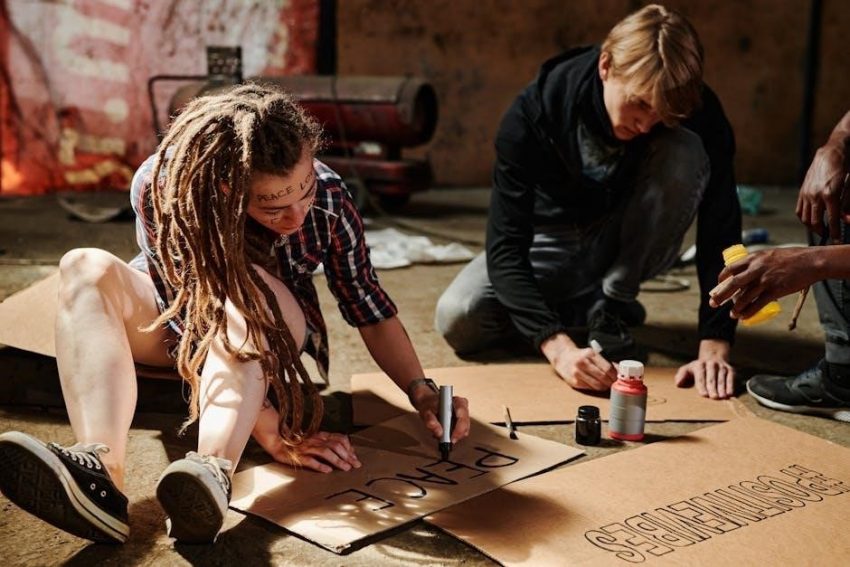
Resources for Organizing and Social Change (ROSC) empowers grassroots movements, while the Midwest Academy Manual for Activists provides essential guidance․
This work builds sustainable organizations and engages people for lasting impact․
Defining Social Change & Activism
Social change represents a significant alteration of social structures, behaviors, and relationships within a society․ It’s a dynamic process, often spurred by collective action and a desire for a more just or equitable world․ Activism, fundamentally, is the practice of engaging in activities intended to bring about political or social change․
The Midwest Academy Manual for Activists emphasizes that effective activism isn’t simply about expressing opinions; it’s about building power to influence decision-making․ This involves identifying problems, developing strategies, and mobilizing people to address those issues․

Organizing, as a core component of activism, focuses on creating sustainable organizations capable of driving long-term change․ It’s about empowering communities to advocate for themselves and challenge existing power dynamics․ Resources like ROSC highlight the importance of growing power from the grassroots level, fostering self-determination and collective efficacy․
The Importance of Strategic Organizing
Strategic organizing is paramount for impactful social change, moving beyond reactive responses to proactive, planned action․ The Midwest Academy Manual for Activists underscores that simply having a worthy cause isn’t enough; success hinges on a well-defined strategy․
Without strategic planning, efforts can become fragmented and ineffective․ Organizing provides the framework for identifying clear goals, mapping power structures, and developing targeted campaigns․ It’s about maximizing resources – time, people, and funding – to achieve desired outcomes․
Resources for Organizing and Social Change (ROSC) champions building power “from the grassroots up,” emphasizing that lasting change requires sustained, organized effort․ Strategic organizing allows movements to navigate complex challenges, adapt to changing circumstances, and ultimately, achieve meaningful and lasting social transformation․
Core Principles of Effective Organizing
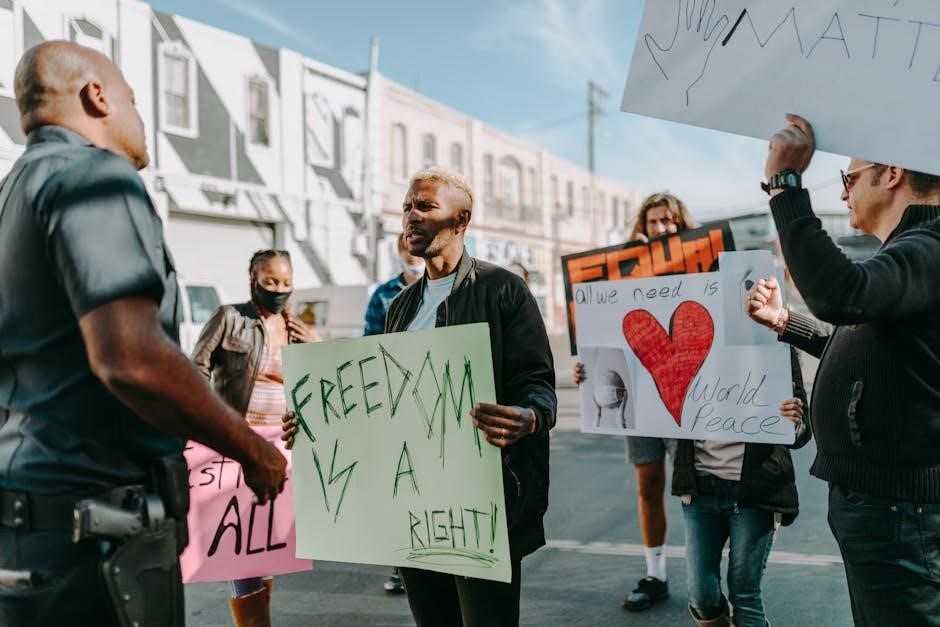
Effective organizing centers on power dynamics, understanding target audiences, and forging strong coalitions․ These principles, detailed in activist manuals, build sustainable movements․
Power Mapping: Identifying Stakeholders
Power mapping is a crucial initial step in effective organizing, as outlined in resources for activists․ It involves visually representing all individuals, groups, and institutions impacted by – or having influence over – the issue at hand․ This isn’t simply a list; it’s about understanding the relationships between these stakeholders․
Begin by identifying key decision-makers, those with formal authority․ Then, broaden the scope to include those who wield informal power – community leaders, funders, or influential media outlets․ Categorize stakeholders based on their level of support (allies, opponents, neutrals) and their degree of power․
Analyzing these dynamics reveals potential allies for coalition building and identifies obstacles to overcome․ A thorough power map clarifies who needs to be engaged, persuaded, or neutralized to achieve campaign goals․ It’s a living document, constantly updated as the landscape shifts․
Understanding Target Audiences
Effective organizing, as detailed in activist manuals, hinges on deeply understanding your target audiences․ Beyond demographics, delve into their values, beliefs, and motivations․ What concerns resonate with them? What language do they respond to? Avoid broad generalizations; segment your audience into distinct groups with tailored messaging․
Research is key․ Conduct surveys, interviews, and focus groups to gather insights․ Analyze existing data – voting records, social media activity – to identify patterns․ Consider their current level of awareness regarding the issue․ Are they unaware, misinformed, or already sympathetic?
Crafting compelling narratives requires speaking directly to their interests and addressing their specific concerns․ A message that resonates with one group may fall flat with another․ Continuously evaluate and refine your approach based on feedback and observed responses․
Building Coalitions & Alliances
Organizing for social change rarely succeeds in isolation․ Activist manuals emphasize the power of building coalitions and alliances with diverse groups․ Identify organizations and individuals who share common goals, even if their approaches differ․ Focus on areas of agreement and build from there․
Successful coalitions require clear communication, mutual respect, and a willingness to compromise․ Establish shared decision-making processes and define roles and responsibilities․ Recognize that each partner brings unique strengths and resources to the table․
Don’t limit alliances to obvious partners․ Explore unexpected collaborations that can broaden your reach and amplify your message․ A united front demonstrates strength and legitimacy, increasing your influence and impact․ Remember sustained effort is crucial for maintaining strong, effective partnerships․

Practical Organizing Tools & Techniques

Activists utilize direct action, grassroots mobilization, and digital strategies; Effective techniques include leveraging social media and employing readily available digital tools for outreach․
Direct Action & Civil Disobedience
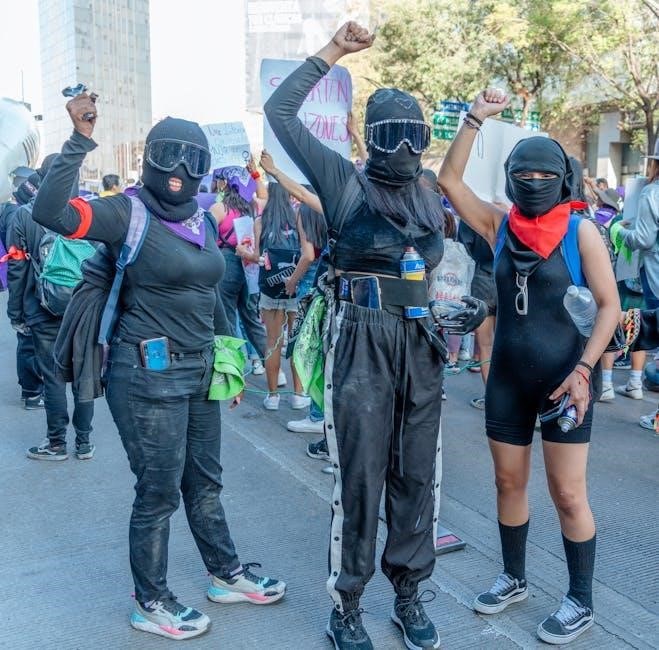
Direct action encompasses a range of tactics – protests, boycotts, strikes, and more – employed to directly address injustices without relying on conventional political processes․ It’s a cornerstone of many social change movements, aiming to create immediate impact and disrupt the status quo․
Civil disobedience, a specific form of direct action, intentionally violates laws deemed unjust, accepting the consequences as a form of protest․ This tactic, rooted in principles of non-violence, seeks to highlight moral failings and compel societal change․
Successful direct action requires careful planning, risk assessment, and a clear understanding of legal ramifications․ Effective campaigns often combine direct action with broader organizing efforts, building public support and leveraging media attention to amplify their message․ The Midwest Academy Manual likely details strategies for planning and executing impactful direct action campaigns, emphasizing safety and strategic considerations․
Grassroots Mobilization Strategies
Grassroots mobilization centers on building power from the ground up, engaging local communities directly in social change efforts․ This approach prioritizes people-to-people organizing, fostering leadership within affected communities, and creating a broad base of support․
Key strategies include door-to-door canvassing, community meetings, and establishing local chapters or networks․ Effective mobilization requires identifying and training local leaders, developing compelling narratives that resonate with community members, and building relationships with key stakeholders․
The Midwest Academy Manual for Activists likely emphasizes the importance of relational organizing – building trust and connections through personal interactions․ Successful grassroots campaigns aren’t simply about numbers; they’re about empowering individuals to become active participants in shaping their own futures and driving lasting change from the bottom up․
Digital Organizing & Social Media
Digital organizing has become indispensable for modern social movements, offering powerful tools for communication, mobilization, and advocacy․ Social media platforms facilitate rapid information dissemination, allowing activists to reach wider audiences and bypass traditional media gatekeepers․
Effective digital strategies involve creating engaging content, utilizing targeted advertising, and building online communities․ However, it’s crucial to be mindful of digital security and privacy concerns, as well as the potential for misinformation and manipulation․
Considering limited resources, activists should prioritize accessible and cost-effective digital tools․ An article highlights useful digital tools for activists, emphasizing efficiency․ Combining online efforts with offline organizing – such as events and direct action – is vital for maximizing impact and building a truly inclusive movement․

Resource Management for Activists

Sustainable activism requires careful fundraising and volunteer management․ Utilizing digital tools efficiently, especially with limited resources, is key to long-term movement success․
Fundraising & Financial Sustainability
Securing consistent funding is crucial for any activist endeavor․ Beyond traditional grant writing, explore diverse revenue streams like individual donations, crowdfunding campaigns, and membership programs․ Building a broad base of small donors often proves more resilient than relying on a few large contributions․
Transparency and accountability are paramount; clearly demonstrate how funds are utilized to build trust with supporters․ Develop a detailed budget and track expenses meticulously․ Consider earned income strategies – offering workshops, merchandise, or consulting services – to generate revenue aligned with your mission․
Financial sustainability isn’t just about raising money; it’s about building an organizational structure that can manage resources effectively and plan for the future․ Explore fiscal sponsorship opportunities if your organization lacks 501(c)(3) status initially․ Prioritize long-term financial health to ensure continued impact․
Volunteer Recruitment & Management
Effective volunteer programs are the lifeblood of many social change organizations․ Recruitment should target individuals passionate about your cause, utilizing social media, community events, and partnerships with aligned groups․ Clearly define volunteer roles with specific responsibilities and time commitments․
Invest in thorough onboarding and training to equip volunteers with the skills they need to succeed․ Regular communication and appreciation are vital for maintaining motivation and fostering a sense of belonging․ Create a supportive and inclusive environment where volunteers feel valued and respected․
Delegate effectively, empowering volunteers to take ownership of tasks․ Recognize their contributions publicly and provide opportunities for growth and leadership development․ A well-managed volunteer base not only expands your capacity but also strengthens your movement’s collective power․
Utilizing Digital Tools for Activism
Digital tools are now indispensable for modern activism, especially considering limited movement resources․ Social media platforms facilitate rapid information dissemination, mobilization, and community building․ Utilize these channels strategically to amplify your message and reach wider audiences․
Online petition platforms and email marketing tools enable efficient advocacy and fundraising․ Consider using collaborative document editing software for streamlined project management and shared strategy development․ Secure communication apps are crucial for protecting sensitive information and coordinating actions․
Website creation and maintenance provide a central hub for information and resources․ Remember to prioritize digital security and privacy to safeguard against surveillance and censorship․ Embrace these tools to enhance your organizing efforts and maximize impact․

Maintaining Momentum & Avoiding Burnout
Leadership development and succession planning are vital for sustained efforts․ Prioritize self-care to prevent activist burnout and foster long-term commitment to the cause․
Leadership Development & Succession Planning
Effective social change relies on cultivating leaders at all levels․ This isn’t about identifying a single charismatic figure, but rather fostering distributed leadership within the organization․ Invest in training programs that equip members with essential skills – public speaking, facilitation, strategic planning, and conflict resolution – empowering them to take on greater responsibility․
Crucially, organizations must proactively address succession planning․ What happens when key individuals step down? A clear plan ensures continuity and prevents disruption․ This involves identifying and mentoring potential successors, documenting institutional knowledge, and creating systems for smooth transitions․
Succession planning isn’t merely about replacing individuals; it’s about building a resilient organization capable of adapting and thriving, even amidst leadership changes․ It safeguards the movement’s long-term goals and ensures that valuable experience isn’t lost․
Self-Care for Activists
Sustained activism demands immense emotional and physical energy․ Prioritizing self-care isn’t selfish; it’s essential for long-term effectiveness and preventing burnout․ Activists often face secondary trauma, witnessing injustice and experiencing setbacks, making self-preservation crucial․
This involves establishing healthy boundaries – learning to say “no” to commitments that overextend you, and disconnecting from work during personal time․ Regular exercise, nutritious food, sufficient sleep, and mindfulness practices are foundational․
Building a supportive community within the movement is vital․ Sharing experiences, offering mutual aid, and creating spaces for vulnerability can combat isolation․ Remember, taking care of yourself allows you to continue fighting for a better world with renewed energy and resilience․ Ignoring self-care ultimately diminishes your capacity for impactful change․

Evaluating & Adapting Strategies
Regularly monitor progress and measure impact to learn from both successes and failures․ Adapt strategies based on evaluation, ensuring responsiveness and maximizing effectiveness in campaigns․
Monitoring Progress & Measuring Impact
Effective social change organizing demands consistent evaluation․ It’s crucial to establish clear metrics before launching initiatives, defining what success looks like․ This involves tracking key performance indicators (KPIs) – things like petition signatures, event attendance, media mentions, or shifts in public opinion․
Regularly collect data through surveys, feedback forms, and observation․ Don’t solely focus on outputs (activities completed); prioritize measuring outcomes (actual changes achieved)․ Analyze this data to identify what’s working, what isn’t, and why․
Impact assessment isn’t always straightforward․ Consider both short-term and long-term effects․ Qualitative data – stories, testimonials – is just as valuable as quantitative data․ Share findings transparently with the team and stakeholders, fostering a culture of learning and continuous improvement․ This iterative process ensures strategies remain relevant and effective․
Learning from Successes & Failures
A core tenet of effective organizing, as highlighted in activist manuals, is embracing a learning mindset․ Successes aren’t simply celebrations; they’re opportunities to dissect why something worked․ What specific strategies resonated? Which partnerships proved most fruitful? Document these insights meticulously for future replication․
However, equally important is honest reflection on failures․ Avoid blame; instead, analyze what went wrong․ Were goals unrealistic? Was the target audience misidentified? Did external factors derail the plan? Treat setbacks as valuable data points, informing adjustments to tactics and overall strategy․
Create a safe space for open dialogue within the team, encouraging vulnerability and constructive criticism․ Share lessons learned widely, building a collective knowledge base․ This continuous cycle of evaluation, adaptation, and knowledge-sharing is vital for sustained progress in social change work․