
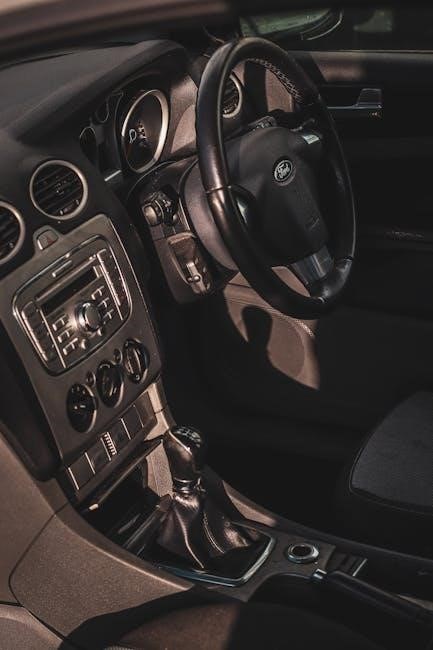
The 2015 Ford Fusion, a mid-size sedan, offered a compelling blend of style, efficiency, and driving dynamics․ Notably, a 6-speed manual transmission was available, providing enthusiasts
a direct connection to the powertrain․ This guide focuses specifically on those Ford Fusion models equipped with this engaging manual option, detailing its features and potential considerations․
While automatic transmissions dominated the Fusion lineup, the manual version catered to drivers seeking a more involved driving experience․ Understanding the nuances of this transmission is crucial for both current owners and prospective buyers․
This overview will explore the technical aspects, common issues, maintenance requirements, and trim level distinctions related to the 2015 Ford Fusion manual transmission․
Overview of the 2015 Ford Fusion
The 2015 Ford Fusion represented a significant evolution in Ford’s mid-size sedan offerings, boasting a stylish exterior and a comfortable, well-appointed interior․ Available with a range of engines, including the 2․5L naturally aspirated four-cylinder and the more potent EcoBoost 1․6L and 2․0L turbocharged options, the Fusion aimed to appeal to a broad spectrum of buyers․ However, for driving purists, the availability of a 6-speed manual transmission on select models was a standout feature․
This manual transmission was primarily paired with the 2․5L engine, offering a more engaging driving experience than the standard automatic․ The 2015 Fusion prioritized fuel efficiency and a refined ride, and the manual transmission allowed drivers to maximize control over both․ Trim levels offering the manual included the S and SE, providing accessible entry points for those seeking a driver-focused sedan․
The Fusion competed directly with rivals like the Toyota Camry, Honda Accord, and Nissan Altima, but distinguished itself with its European-inspired design and available manual gearbox․ It’s important to note that the Titanium trim, with its 2․0T engine, did not offer a manual option, exclusively featuring an automatic transmission․
Focus on Manual Transmission Models
The 2015 Ford Fusion manual transmission models – primarily the S and SE trims equipped with the 2․5L engine – represent a niche offering within the Fusion lineup․ These versions catered to drivers prioritizing driver engagement and a more traditional driving experience․ While the EcoBoost engines were lauded for their performance, the manual option provided a different character, emphasizing control and responsiveness․
It’s crucial to understand that the 6-speed manual wasn’t widely available; it wasn’t offered with the more powerful 1․6L or 2․0L EcoBoost engines, nor on the higher-end Titanium trim․ This limited availability makes these manual Fusions increasingly desirable among enthusiasts․ The manual transmission contributes to a slightly improved fuel economy compared to the automatic, though the difference isn’t substantial․
Potential buyers specifically seeking a 2015 Ford Fusion with a manual transmission should verify the trim level and engine combination․ The manual gearbox delivers a direct connection to the engine, offering a more tactile and involved driving experience, setting it apart from the more common automatic variants․
Technical Specifications of the 2015 Ford Fusion Manual Transmission
The 2015 Ford Fusion’s manual transmission is paired with the 2․5L engine․ It features a robust 6-speed configuration, designed for efficiency and driver control, offering a direct driving feel․
Engine Options Compatible with Manual Transmission
The 2015 Ford Fusion offered limited engine choices when paired with the 6-speed manual transmission․ Primarily, the sole engine option available with the manual gearbox was the 2․5-liter Duratec inline-4 cylinder engine․ This naturally aspirated engine produced 175 horsepower and 175 lb-ft of torque, providing a balance between fuel efficiency and adequate performance for daily driving․
It’s important to note that the more powerful engine options, such as the 1․6L and 2․0L EcoBoost turbocharged engines, were exclusively offered with automatic transmissions․ The 2․5L engine, when coupled with the manual, aimed to deliver a more engaging and driver-focused experience․ While not a performance-oriented setup, it provided a satisfying level of control for those preferring a traditional manual shifting experience․
The decision to limit manual transmission availability to the 2․5L engine likely stemmed from Ford’s market analysis and customer preferences at the time, focusing the more advanced powertrains towards automatic convenience․
Transmission Type: Detailed Information (6-Speed Manual)
The 2015 Ford Fusion’s available 6-speed manual transmission is identified as a MMT6 (Manual Mechanical Transmission, 6-speed)․ This gearbox was designed to provide a direct and engaging driving experience, offering drivers full control over gear selection․ It features a traditional shift linkage, delivering a tactile feel and precise shifts․
Unlike some modern manual transmissions with automated rev-matching features, the MMT6 requires the driver to manage clutch engagement and throttle control during shifts․ The transmission housing is typically constructed from aluminum alloy for weight reduction, contributing to the vehicle’s overall efficiency․
The shift pattern follows a standard H-pattern layout, with first gear located top-left and reverse typically requiring a collar lift-out mechanism․ While robust, it’s crucial to adhere to proper shifting techniques to ensure longevity and prevent premature wear of the synchronizers and clutch components․
Gear Ratios and Performance Characteristics
The 2015 Ford Fusion manual transmission’s gear ratios are optimized for a balance of acceleration and fuel efficiency․ First gear is relatively short, providing brisk initial acceleration from a standstill․ Subsequent ratios are spaced to maintain momentum while cruising, contributing to improved highway fuel economy․
Specific gear ratios vary slightly depending on the engine paired with the manual transmission, but a typical configuration features ratios around 3․50:1 for first gear, decreasing to approximately 0․62:1 for sixth gear․ This wide spread allows the engine to operate within its optimal power band across a range of speeds․

Performance-wise, the manual Fusion offers a more connected driving experience than its automatic counterpart․ Drivers can precisely control engine RPMs for optimal power delivery, resulting in quicker acceleration and more engaging cornering․ The transmission’s responsiveness contributes to a sportier feel․
Common Issues and Reliability of the 2015 Ford Fusion Manual
2015 Ford Fusion manual transmissions generally exhibit good reliability, but potential issues exist․ The 6-speed manual, while robust, can experience wear, and the related “Park-to-Roll” recall affects some Fusion models․

Potential Problems with the 6-Speed Manual Transmission
While the 6-speed manual transmission found in the 2015 Ford Fusion is generally considered durable, owners should be aware of potential issues․ A common complaint revolves around clutch wear, particularly with frequent city driving or aggressive shifting․ Symptoms include a slipping clutch, difficulty engaging gears, and a generally diminished clutch pedal feel․ Regular inspection and timely replacement of the clutch assembly are crucial for preventing more significant problems․
Some owners have reported experiencing issues with synchros, leading to difficulty smoothly shifting into certain gears, especially second and third․ This can manifest as grinding noises during gear changes․ Proper shifting technique – fully depressing the clutch and avoiding rushed shifts – can help mitigate this issue․ Furthermore, maintaining the correct transmission fluid level is vital for optimal performance and longevity․
Although less frequent, internal transmission component wear can occur over time, potentially leading to noise or vibration․ Early detection and addressing of these issues can prevent costly repairs down the line․ It’s important to note that the 6F35 transmission, commonly paired with other engines in the Ford lineup, has a known 2-3 flare issue, though this is less prevalent in the manual transmission application․
Recalls Affecting 2013-2016 Ford Fusion Models (Park-to-Roll Issue)
A significant safety recall impacted 2013-2016 Ford Fusion models, including the 2015 year, concerning a “park-to-roll” issue․ This recall, affecting over 500,000 vehicles, stemmed from a faulty shift cable detent․ The detent’s failure could prevent the vehicle from fully engaging the ‘Park’ position, leading to unexpected rolling after the engine was switched off․ This posed a serious risk of injury or property damage․
Ford initiated the recall to inspect and replace the shift cable detent free of charge․ Vehicle owners were urged to contact their local Ford dealership to schedule the necessary repair; It’s crucial to verify whether a 2015 Ford Fusion manual transmission vehicle has received this recall repair, as it directly impacts safety․
While the recall primarily focused on automatic transmissions, manual transmission models within the affected year range were also included due to the shared shift cable mechanism․ Owners should check their vehicle’s recall status using their Vehicle Identification Number (VIN) on the Ford website or through the National Highway Traffic Safety Administration (NHTSA) website․
Known Issues with Other Transmissions (6F35) in Similar Ford Vehicles

Although the 2015 Ford Fusion manual transmission is distinct, understanding issues with the commonly paired 6F35 automatic transmission in similar Ford vehicles provides valuable insight․ The 6F35, found in EcoBoost 1․6L and 2․0L engines, as well as 2․5L naturally aspirated engines, is known for a specific problem: a 2-3 flare․ This manifests as a delayed or harsh shift between second and third gears․
This flare is often attributed to internal valve body issues or software glitches within the transmission control module (TCM)․ While not directly affecting the manual transmission, it highlights potential long-term reliability concerns within the Fusion’s drivetrain components․ Owners should be aware of this issue if considering a Fusion with the 6F35 automatic․
Furthermore, the DPS6 Powershift dual-clutch transmission, used in the Ford Focus and Fiesta, experienced widespread reliability problems․ Though different from the 6F35, it demonstrates a pattern of transmission-related concerns within this era of Ford vehicles, emphasizing the importance of thorough pre-purchase inspections․

Maintenance and Repair of the 2015 Ford Fusion Manual
Maintaining the 2015 Ford Fusion manual transmission involves regular fluid checks and replacements․ Following the recommended schedule ensures optimal performance and longevity, preventing costly repairs down the road․
Recommended Maintenance Schedule for Manual Transmission
For the 2015 Ford Fusion equipped with a manual transmission, a proactive maintenance approach is vital for ensuring smooth operation and preventing premature wear․ Generally, the transmission fluid should be inspected every 30,000 miles, with a complete fluid change recommended around 60,000 miles, or every five years, whichever comes first․
However, driving conditions significantly impact this schedule; Frequent towing, aggressive driving, or operation in severe climates (extreme heat or cold) necessitate more frequent fluid checks and changes – potentially halving the intervals․ Always visually inspect the fluid for discoloration or a burnt smell, indicating potential contamination or damage․
Beyond fluid maintenance, inspect the clutch master and slave cylinders for leaks every 30,000 miles․ Check the shift linkage for smooth operation and proper engagement․ Listen for any unusual noises during shifting, which could signal internal component wear․ Regularly lubricating the shift linkage can also contribute to smoother gear changes․ Adhering to these guidelines will help maximize the lifespan and reliability of your Fusion’s manual transmission․
Transmission Fluid Type and Replacement Procedures
The 2015 Ford Fusion manual transmission requires specific fluid to ensure optimal performance and longevity․ Ford recommends using Motorcraft Mercon V fluid․ Using an incorrect fluid type can lead to shifting problems and internal damage․ The transmission holds approximately 9․0 quarts of fluid, as indicated by available parts information․
Replacing the fluid is a moderately complex procedure best left to experienced DIYers or professionals․ Begin by warming up the transmission, then locate the drain and fill plugs․ Carefully drain the old fluid, ensuring proper disposal․ Clean the magnetic drain plug and reinstall it․ Slowly fill the transmission with the correct amount of Mercon V fluid, checking the level with the fill plug․
Avoid overfilling, as this can cause leaks and damage․ After filling, run the engine and shift through all gears, then recheck the fluid level․ It’s crucial to use the correct tools and follow proper safety precautions during this process․ Always consult a repair manual for detailed instructions specific to your Fusion model․
Repair Costs and Common Repair Procedures
Repair costs for the 2015 Ford Fusion manual transmission vary significantly depending on the issue and labor rates․ Common repairs include clutch replacement, synchronizer replacement, and addressing gear linkage problems․ A clutch replacement typically ranges from $800 to $1500, including parts and labor․
Synchronizer issues, manifesting as difficulty shifting into specific gears, can cost between $500 and $1200 to repair․ Gear linkage adjustments are usually less expensive, around $150 to $300․ More extensive repairs, such as rebuilding the entire transmission, can exceed $2000․
Diagnosing the problem accurately is crucial․ Common procedures involve inspecting the clutch disc for wear, checking the synchronizer rings for damage, and verifying proper gear engagement․ Professional diagnosis often requires specialized tools and expertise․ Preventative maintenance, including regular fluid changes, can help minimize the risk of costly repairs and extend the transmission’s lifespan․

Trim Levels and Features of the 2015 Ford Fusion
The 2015 Ford Fusion offered various trims, with the manual transmission primarily found in the S and SE models․ Alloy wheels were standard, while higher trims featured polished alloys․
Run-flat tires weren’t available with the manual option, and wheel types differed across trims, influencing the vehicle’s aesthetic and handling characteristics․
Comparison of 2015 Ford Fusion Trim Levels
The 2015 Ford Fusion presented a tiered trim structure, impacting features and available options, particularly concerning the manual transmission․ The base S trim, offering the most affordable entry point, included the 6-speed manual with the 2․5L engine․ It featured standard alloy wheels and basic infotainment;

Stepping up to the SE trim added more comfort and convenience features, also offering the manual transmission with the 2․5L engine․ This included upgraded cloth upholstery, a more advanced infotainment system, and additional safety technologies․ The SE represented a sweet spot for those desiring a balance of features and driver engagement․
Higher trims – Titanium and Energi – exclusively offered automatic transmissions․ These models prioritized luxury, technology, and fuel efficiency, foregoing the manual option․ The Titanium boasted premium leather interiors, advanced driver-assistance systems, and a sophisticated sound system․ The Energi, a plug-in hybrid, focused on maximizing fuel economy and offered a unique driving experience;
Therefore, if a manual transmission was a priority, the S and SE trims were the sole choices within the 2015 Ford Fusion lineup, each offering a distinct level of features and refinement․
Wheel Types and Tire Specifications by Trim
For the 2015 Ford Fusion models equipped with a manual transmission – specifically the S and SE trims – wheel and tire specifications varied․ The base S trim typically featured 16-inch alloy wheels, often with a silver finish․ These were paired with 215/60R16 tires, prioritizing comfort and fuel efficiency․
Moving to the SE trim, wheel options expanded․ While 16-inch alloy wheels remained standard, a 17-inch alloy wheel option was available, enhancing the vehicle’s aesthetic appeal․ Corresponding tire sizes for the 17-inch wheels were generally 225/50R17, offering a slightly sportier feel and improved handling․
Run-flat tires were not available on either the S or SE trims with the manual transmission․ All 2015 Ford Fusion manual models utilized conventional tires․ Tire specifications were consistent across both trims for a given wheel size, focusing on all-season performance for everyday driving conditions․
Upgrading to larger wheel sizes often resulted in a slightly firmer ride, while maintaining adequate comfort levels for daily commutes․ Owners frequently had the option to choose tire brands based on their preferences for tread life, noise levels, and grip․