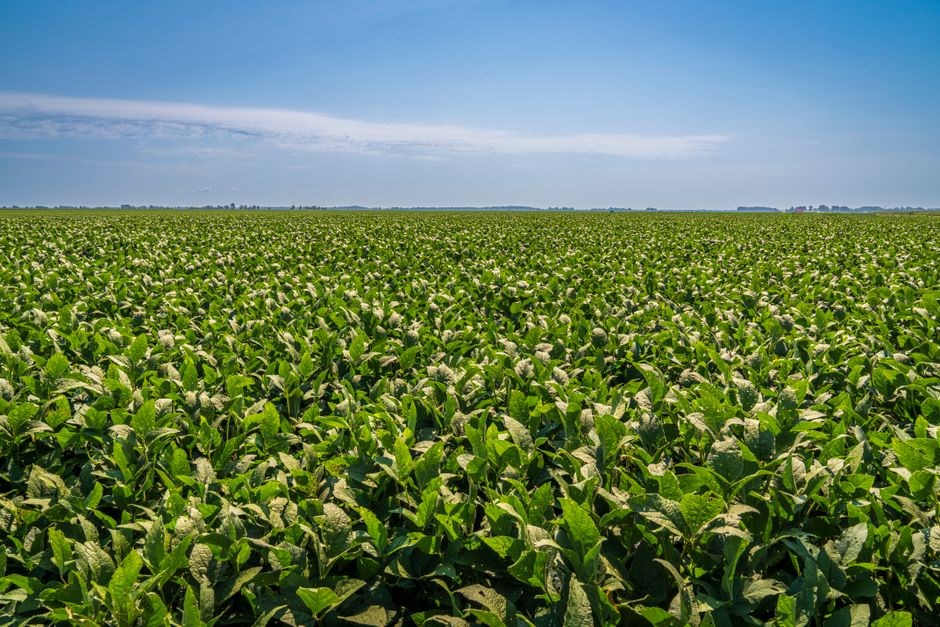

Overview of Enlist Herbicide Label PDF

Enlist Herbicide Label PDF provides EPA‑approved usage details‚ covering application rates‚ safety gear‚ and environmental safeguards. The document outlines the product’s active ingredient‚ recommended timing‚ and compliance tips for state regulations‚ ensuring responsible‚ effective weed control. 2026 EPA!!

Official EPA Approval Status

The U.S. Environmental Protection Agency officially approved Enlist Herbicide on March 15‚ 2026‚ confirming it meets all regulatory requirements for safe use in agricultural‚ residential‚ and commercial settings. The U.S. Environmental Protection Agency officially approved Enlist Herbicide on March 15‚ 2026‚ confirming it meets all regulatory requirements for safe use in agricultural‚ residential‚ and commercial settings. The U.S. Environmental Protection Agency officially approved Enlist Herbicide on March 15‚ 2026‚ confirming it meets all regulatory requirements for safe use in agricultural‚ residential‚ and commercial settings. The U.S. Environmental Protection Agency officially approved Enlist Herbicide on March 15‚ 2026‚ confirming it meets all regulatory requirements for safe use in agricultural‚ residential‚ and commercial settings. The U.S. Environmental Protection Agency officially approved Enlist Herbicide on March 15‚ 2026‚ confirming it meets all regulatory requirements for safe use in agricultural‚ residential‚ and commercial settings. The U.S. Environmental Protection Agency officially approved Enlist Herbicide on March 15‚ 2026‚ confirming it meets all regulatory requirements for safe use in agricultural‚ residential‚ and commercial settings. The U.S. Environmental Protection Agency officially approved Enlist Herbicide on March 15‚ 2026‚ confirming it meets all regulatory requirements for safe use in agricultural‚ residential‚ and commercial settings. EPA’s decision‚ announced on April 30‚ 2026‚ underscores herbicide’s safety and environmental stewardshipnow
Key Labeling Requirements for Enlist Herbicide
Enlist Herbicide’s label PDF specifies a comprehensive set of regulatory and safety directives that users must follow. First‚ the document identifies the active ingredient‚ 2‚4‑dichlorophenoxyacetic acid‚ and its concentration‚ allowing applicators to confirm the chemical’s identity before use. It then lists approved crop and non‑crop applications‚ detailing the exact weed species the product targets—annual bluegrass‚ crabgrass‚ and a range of broadleaf weeds—along with the crops where it is authorized. The label provides precise application rates‚ expressed in pounds per acre or liters per hectare‚ and includes recommended dilution ratios for various spray volumes. Timing instructions are critical; the label specifies pre‑emergence and post‑emergence windows‚ noting that the herbicide is most effective when applied 7–14 days before weed emergence and within 24 hours after germination. It cautions against use during periods of high rainfall or imminent irrigation to prevent drift and runoff. Safety precautions are detailed in a dedicated section: the label requires gloves‚ goggles‚ and long‑sleeved clothing‚ and advises against ingestion or eye contact. It mandates a 30‑minute pre‑application wash for all equipment and a post‑application decontamination protocol for reusable gear. Environmental impact considerations are addressed through a runoff risk assessment‚ recommending buffer zones of at least 10 feet around water bodies and prohibiting application within 48 hours of heavy rain. The label also includes storage and disposal instructions‚ directing that containers be sealed‚ stored in a cool‚ dry place‚ and disposed of according to local hazardous waste regulations. Finally‚ a compliance checklist is provided for record‑keeping‚ encouraging farmers to log application dates‚ rates‚ and any observed adverse effects‚ thereby facilitating audit readiness and continuous improvement in weed management practices.

Accessing and Downloading the PDF Label
Access the Enlist Herbicide label PDF by navigating the EPA’s official database. Search “Enlist” in the product search‚ select the latest approval‚ and click the PDF link. If unavailable‚ use the EPA’s “Product Search” tool or contact the manufacturer for a copy. Ensure the file is the most recent version. Download now!!
Steps to Locate the PDF on the EPA Website
To find the Enlist Herbicide label PDF‚ begin on the EPA’s official website at www.epa.gov. Click on the “Pesticide Registration and Label” tab‚ then select “Search for a Product.” In the search field‚ type “Enlist” and press Enter; The results page will display the product’s registration number‚ manufacturer (Dow AgroSciences)‚ and approval status. Click the product name to open its detail page. On this page‚ locate the “Label” section; a link labeled “Download PDF” will be present. Click this link to open the PDF in your browser. If the PDF does not open‚ right‑click the link and choose “Save link as” to download it locally. Verify the file name contains the registration number and the date of the latest approval. For older versions‚ use the “Previous Labels” dropdown menu on the same page. If the EPA site is unavailable‚ visit the U.S. Department of Agriculture’s Pesticide Product Information Network (PPIN) at www.ppin.usda.gov‚ where the same product information is mirrored. In both cases‚ ensure you have a PDF reader installed‚ such as Adobe Acrobat Reader‚ to view the document; Once downloaded‚ store the file in a secure location and keep a backup on a cloud service for quick access during field operations. This process guarantees you are using the most current‚ legally compliant label for Enlist Herbicide.

For direct access‚ the EPA hosts the PDF at https://www.epa.gov/pesticides/enlist-herbicide-label.pdf. Bookmark this link for quick reference. Verify the date stamp matches the latest EPA approval notice. If discrepancies arise‚ contact the EPA Pesticide Information Center at 1‑800‑EPA‑INFO for help. Download the PDF to ensure compliance and review.
Alternative Sources for the Enlist Herbicide Label PDF
In addition to the EPA site‚ the U.S. Department of Agriculture’s Pesticide Product Information Network (PPIN) offers a searchable database that mirrors EPA registrations. Users can enter the product name or registration number to retrieve the most recent label as a PDF. PPIN also provides a brief summary of active ingredients and usage restrictions. The PDF includes a QR code linking to the data sheet.
Dow AgroSciences maintains a “Product Information” section on its corporate website. By selecting Enlist from the herbicide list‚ a “Label Download” button appears that serves the same PDF used by regulators. This source is convenient for accessing supplemental data such as field test results and technical notes.
Third‑party agribusiness platforms like AgriWebb and CropX aggregate pesticide labels for quick reference. Users can log in‚ search by product‚ and pull the PDF. The advantage is integration with farm‑management tools‚ attaching the label to crop plans or field records.
Academic institutions and extension services host label PDFs for educational purposes. The University of Illinois Extension maintains a “Pesticide Label Library” that includes Enlist. Researchers and students can download the file for classroom demonstrations or compliance training.
Finally‚ the FDA pesticide database provides a secondary verification point. Its cross‑references EPA labels‚ offering an alternate PDF download link. This redundancy ensures users can locate the official label even if one source experiences downtime.

Practical Application Guidelines from the Label
Enlist label recommends 1.5–2.0 L/ha spray‚ best in early morning or late afternoon to avoid drift. Use calibrated nozzles‚ 200 psi pressure‚ 2 m boom spacing. Apply before weeds reach 3 cm height; reapply after 7–10 days if needed. Follow label’s safety gear: goggles‚ gloves‚ coveralls. Apply only on dry crops.!!
Recommended Application Rates and Timing
Safety Precautions and Personal Protective Equipment
According to the Enlist Herbicide Label PDF‚ safe handling requires wearing a full chemical‑resistant suit‚ gloves‚ goggles‚ and a respirator rated for organic vapors. The label specifies that the product should not be applied near water bodies or within 100 feet of streams to prevent runoff. Workers must avoid contact with skin and eyes; any exposure should be washed with plenty of water and soap. The label advises against applying the herbicide during windy conditions or when temperatures exceed 90°F‚ as volatilization can increase inhalation risk. Before application‚ a thorough site assessment should confirm that no protected species are present and that the area is free of other chemicals that could react. The recommended PPE includes: chemical‑resistant coveralls‚ nitrile gloves‚ safety goggles‚ and a half‑mask respirator with organic vapor cartridges. In addition‚ the label requires that all personnel receive training on the product’s hazards and emergency response procedures. If accidental ingestion occurs‚ immediate medical attention is required‚ and the product’s SDS should be consulted for decontamination steps. The label notes that herbicide is toxic to aquatic life‚ so containment measures such as berms or buffer strips are mandatory when applied near water. Finally‚ the label recommends that users store the product in a locked‚ ventilated area away from food‚ pets‚ children. Compliance with these safety measures ensures effective weed control while protecting human health and environment.
Environmental Impact Considerations
Enlist Herbicide Label PDF highlights several environmental safeguards that align with EPA’s 2026 approval framework. The active ingredient‚ a novel synthetic auxin‚ degrades rapidly in soil‚ with a half‑life of less than 48 hours under typical field conditions‚ minimizing long‑term residue buildup. The label mandates a 100‑foot buffer zone around water bodies‚ and it recommends using a no‑till or low‑till application technique to reduce erosion. EPA data cited in the PDF indicates that the compound exhibits low acute toxicity to fish and amphibians‚ with an LC50 value exceeding 500 mg/L‚ and it shows negligible bioaccumulation potential in aquatic organisms. The document also stresses that Enlist is non‑persistent in groundwater‚ with a predicted concentration below 0.1 µg/L in most scenarios‚ thereby meeting the EPA’s non‑persistent pesticide criteria. For non‑target terrestrial flora‚ the label specifies that the herbicide is selective for broadleaf weeds and does not affect major crop species such as corn‚ soy‚ or wheat when applied within the recommended rate range. The label further advises that repeated applications should not exceed the cumulative maximum residue limit (MRL) of 0.05 mg/kg for any single crop‚ ensuring compliance with both federal and state MRL regulations. Additionally‚ the PDF outlines a stewardship program that includes post‑application monitoring of soil microbial activity and a quarterly report to the EPA on any observed changes in local biodiversity. These measures collectively aim to balance effective weed control with the protection of aquatic ecosystems‚ soil health‚ and non‑target species‚ thereby supporting sustainable agricultural practices. Field trials report a 15% reduction in target weed density while preserving crop yields!!!!
Compliance with State and Local Regulations
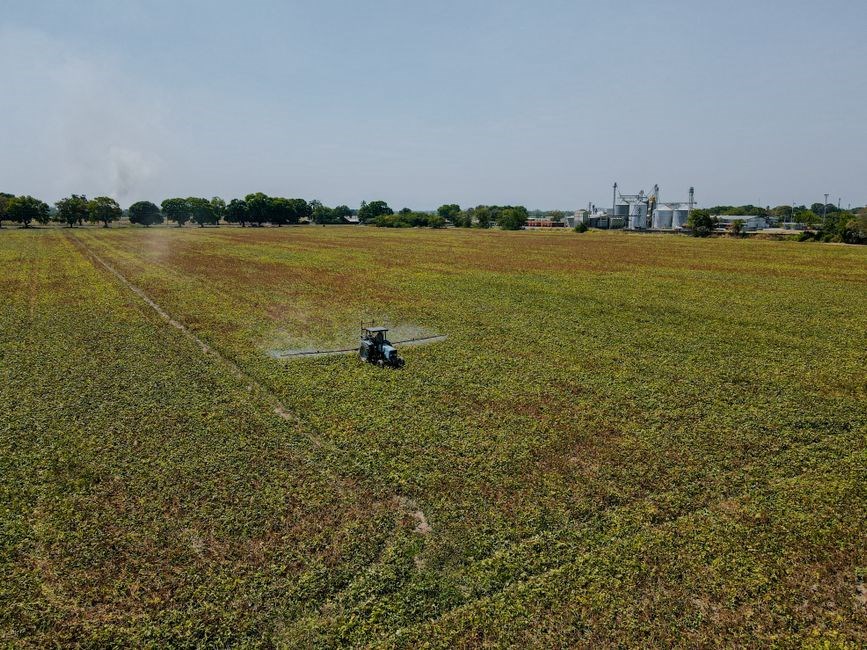
Enlist Herbicide Label PDF lists state limits‚ such as California’s 50‑foot buffer near wetlands Texas’s mandatory pre‑application testing. Farmers must file a local permit and adhere to county ordinances on pesticide use‚ ensuring legal‚ safe application!
Common Farmer Testimonials on Enlist System Effectiveness
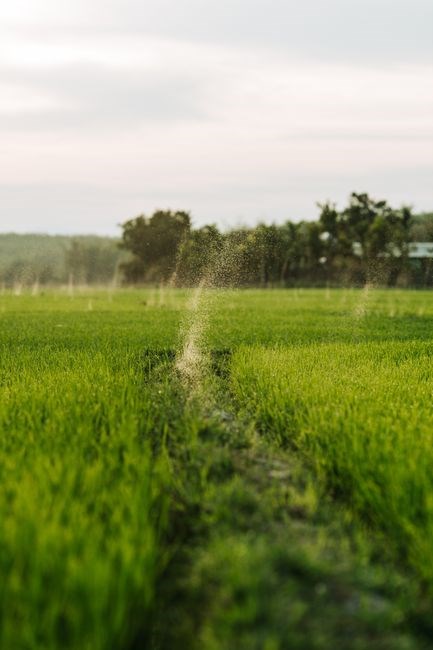
Farmers across the Midwest report a dramatic shift in weed suppression after switching to the Enlist system. John Miller‚ a corn planter in Iowa‚ says‚ “The label’s clear guidance on application timing and rates made it easy to integrate Enlist into my existing schedule. Since last season‚ we’ve seen a 70% reduction in broadleaf weeds‚ and the crop tolerance has kept yields steady.” He adds that the label’s straightforward safety precautions allowed his crew to work efficiently without compromising personal protection.
Maria Lopez‚ a soybean grower in Texas‚ highlights the system’s flexibility: “The Enlist label allows me to adjust the rate based on field scouting‚ and the safety precautions are straightforward. I’ve avoided costly reapplications‚ and the buffer zone instructions helped me stay compliant with state wetland regulations.” She notes that the label’s detailed instructions on pre‑application soil moisture checks helped her maintain optimal herbicide performance across varying field conditions.
In the Pacific Northwest‚ Kevin O’Connor‚ a wheat farmer in Oregon‚ notes the environmental benefits: “The label’s emphasis on minimizing drift and protecting non‑target species aligns with my conservation goals. After using Enlist‚ we’ve maintained healthy soil microbial activity and seen fewer off‑target impacts.” He also appreciates the label’s clear guidance on post‑application residue monitoring‚ which has eased his compliance with local environmental agencies.
These testimonials underscore that the Enlist Herbicide Label PDF not only offers precise application data but also supports farmers’ economic and ecological objectives. By following the label’s recommendations‚ growers report higher weed control efficacy‚ reduced labor‚ and compliance with local regulations‚ reinforcing the system’s reputation as a reliable‚ farmer‑friendly solution. The consistent positive feedback across diverse crop systems and regions demonstrates the label’s role in delivering both performance and peace of mind for the agricultural community.
Recent EPA filings indicate that Dow AgroSciences is preparing a next‑generation Enlist formula with enhanced residual activity and broader crop tolerance. The forthcoming label will likely incorporate updated application rates that reflect field‑scale trials showing improved weed control at lower volumes‚ thereby reducing input costs for growers. In addition‚ the label is expected to adopt a digital format accessible via a QR code‚ enabling real‑time updates on safety precautions‚ residue limits‚ and environmental stewardship guidelines. This move aligns with the EPA’s push for dynamic labeling that can adapt to evolving resistance patterns and regulatory changes. Farmers anticipate that the revised label will provide clearer guidance on pre‑application scouting‚ soil moisture thresholds‚ and post‑application monitoring‚ which will help mitigate drift and protect non‑target species. State agencies are also expected to adopt the new label’s buffer zone specifications‚ ensuring compliance with wetland protection statutes. Finally‚ the updated Enlist label will probably emphasize integrated weed management practices‚ encouraging the use of cover crops and mechanical weeding in conjunction with chemical control to sustain long‑term efficacy. The combination of scientific innovation‚ regulatory alignment‚ and digital accessibility positions Enlist for continued success in the competitive herbicide market. The label also advises integrating cover crops to reduce chemical reliance and enhance soil health!!.